How to Care For Your Pet’s Emotional Needs

The Importance of Tending to the Emotional Wellness of Our Pet Family Members

Pets come bounding into our lives, wagging their tails, purring, or chirping with delight. They bring us joy, companionship, and unconditional love. However, have you ever stopped to consider the emotional well-being and emotional needs of our beloved pet family members?

Just like humans, animals experience a wide range of emotions, and it is our duty as responsible pet owners to tend to their emotional wellness. When we think about pets and emotions, we often associate happiness and contentment. We imagine cuddling with our dogs or watching our cats lazily sunbathe by the window. Undoubtedly, these moments bring us immense joy. Yet, it is crucial to remember that our pets may also experience negative emotions such as fear, anxiety, and loneliness.

Understanding the emotional spectrum of our furry companions is the first step towards tending to their emotional wellbeing – which goes far beyond physical needs like food, water, and shelter.

Pets become living barometers, their health and demeanor often reflecting the emotional ecosystem within which they dwell. Many pet owners are surprised that pets have an innate ability to absorb the emotions of their owners, and this unique connection often manifests in profound ways within their own bodies. Like emotional sponges, they absorb the various turbulent currents of joy, sadness, stress, or anxiety that ripple through their human companions. As a result, their bodies may undergo transformations, both subtle and profound.

Understanding this symbiotic relationship between animals and their owners is crucial, as it emphasizes the profound responsibility we have as humans to create a positive and harmonious emotional environment for our beloved companions.

How Do Animals Differ in Their Emotional Needs?

Dogs, for example, are pack animals. They thrive in social settings and long for the presence of their human and animal friends. It is not uncommon to find dogs mirroring the excitement and boundless energy of their exuberant owners, bounding with infectious enthusiasm. When left alone for too long, however, they may experience separation anxiety. This can lead to destructive behaviors or excessive barking.

Cats, on the other hand, are often seen as independent creatures, but they too can experience emotional distress. Changes in their environment, such as moving homes or adding a new pet to the family, can trigger stress and anxiety. This can manifest in behavioral changes like hiding, aggression, or even urinating outside the litter box. Cats may absorb the worries and anxieties of their guardians, their once-sleek fur becoming matted and rough as externalizing their owners’ stress becomes a physical manifestation. Recognizing these signs and taking action to alleviate their stress is essential. Tending to the emotional wellness of our pets involves creating a nurturing and enriching environment for them to thrive in.

Horses possess an uncanny ability to perceive and respond to the emotions of people. These majestic creatures have an extraordinary sensitivity to subtle changes in human mood, often mirroring the emotions they encounter. When humans exude calmness, horses demonstrate relaxation and trust, embodying an air of tranquility. Conversely, when humans approach with anxiety or fear, horses can become apprehensive, their alertness heightened. Through their empathetic nature, horses seem to offer solace and therapeutic support, responding with care and understanding to even the most complex of human emotions. It is this profound emotional connection that renders them not just animals, but confidants and healers in our intertwined journey of existence.

Birds can empathetically respond to the various ranges of feelings they encounter in their human counterparts. When humans exude tranquility and joy, birds often join in the chorus of happiness, their chirps becoming more melodious and vibrant. Conversely, in moments of sadness or distress, birds mimic the somberness with their chirping becoming subdued and reflective. It is as if they comprehend our emotions on an intuitive level, offering solace or jubilation through their melodious companionship.

Here are a few ways we can help take care of their emotional needs:

1. Get Frequent Exercise and Stimulation: Just like humans, pets benefit from physical activity and mental stimulation. Ensuring that our pets receive regular exercise helps release excess energy, reduces anxiety, and promotes well-being. Providing toys, puzzles, and interactive games can keep their minds engaged.

2. Establish a Healthy Routine: Animals thrive on predictability, and establishing a daily routine can provide a sense of security and stability. Feeding, walking, and playtime should be consistent, providing structure to their day and reducing any anxiety caused by uncertainty.

3. Enjoy Regular Socialization: Many animals are social creatures. They need quality time with companions, whether they be human or animal.

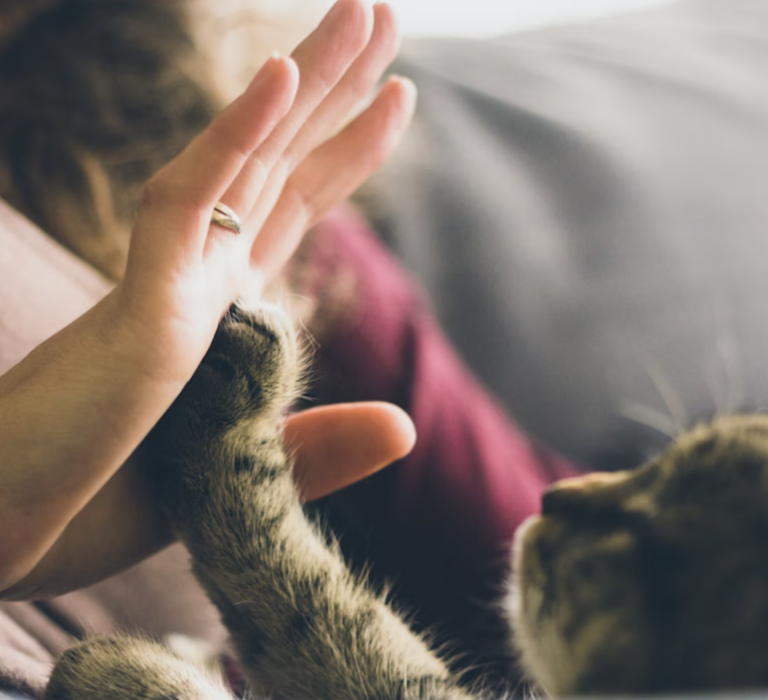
4. Thrive Through Touch: Pets thrive with positive touch, just like people do. Cuddling, petting, and massaging are all ways to contribute to your pet’s wellness. Science has shown that petting our furry friends is actually good for our hearts and can reduce stress.

5. Try Alternative Therapies: Along with regular visits to the veterinarian, some pets may benefit from alternative therapies to manage stress and improve wellness. Practices such as Body Code and Emotion Code, Reiki, acupuncture, aromatherapy, and nutritional therapy are some examples of holistic approaches to animal well-being.

When Should a Pet Owner Consider Alternative Therapies?

This depends on various factors.

Alternative therapy options are always an option. They do not have to be reserved for difficult times, but pet owners often seek new ways to support a pet if they are not responding to conventional treatments or are experiencing adverse reactions.

Additionally, in cases where the pet’s condition is chronic, longstanding, or does not exhibit substantial improvement, seeking alternative therapies could provide new avenues for healing and relief.

Alternative therapies can offer unique healing perspectives, but it is important to consult with a qualified veterinarian who supports alternative therapies to ensure that the chosen treatment aligns with the pet’s needs and health conditions.

Ultimately, a responsible pet owner should feel optimistic that there are many therapies available in their pet’s journey to optimal health.

How Can You Limit Your Negative Impact on Your Pet?

To limit any negative emotional impact on our pets, we must strive to cultivate a calming and positive environment.

1. We can be aware of our own emotional state and avoid projecting our stress or anxiety onto our pets. This can be achieved through regular self-care practices, such as meditation or exercise, which can help us maintain a balanced mindset.

2. Moreover, keeping a stable personal routine and ensuring a comfortable living environment can greatly contribute to reducing any negative emotional impact on our pets.

3. Observe times when a pet exhibits symptoms of stress, and notice any correlations to the people in the home and their behavior. Most animals respond negatively to loud noises, yelling, and tension. Our animal companions are far more sensitive with their ability to detect energy – especially emotional.

4. Limit or refrain from expressing negative emotions around pets. For example, if anger arises, step outside of the room to protect your pet from emotions that don’t belong to him or her.

By prioritizing our pet’s comfort and happiness, we can create a harmonious environment where their emotional needs are met, enhancing their overall quality of life and ours.

(more…)

How to Communicate With Your Pet to Keep Them Calm This Fourth of July

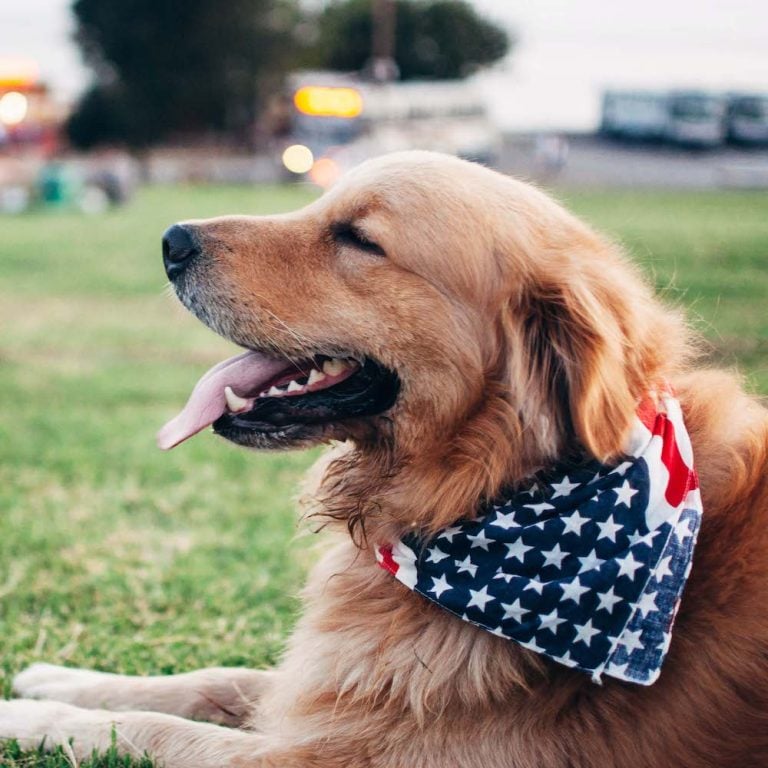
dog with patriotic bandana

By Shannon Cutts, Animal Love Languages

From Europe to Asia to North America, all over the world pet parents share one universal problem in common. NOISE. Fireworks. Thunderstorms. Cars backfiring. Ambulances. Alarm systems. Loud music. Dogs, cats, parrots, horses, and even reptiles go into fightorflight mode with all the bells and whistles barking, hissing, cowering, lunging, eliminating anywhere and everywhere. Unfortunately, with many pets, even repeated noise exposure often doesn’t eradicate these core fear symptoms. If you are left desperately wondering if there is anything else you could try, the answer is yes! Animal communicator Shannon Cutts tackles the true elephant in the room and gives you immediate practical tips you can use to keep your animals safe and calm when the volume spikes.

Guess what instigates more missing pet cases every year than anything else?

If you guessed “fireworks” give yourself a gold star and give your pet whatever treat you always give them to try to keep them safe and calm during the inevitable noise event yet to come.

The pet remedies for noise are wellknown: CBD, valerian, melatonin, prescription antianxiety meds to calm their nerves. Physical counteractions such as daytime vigorous play to zonk them out or playing competing loud noises to drown out the snap, crackle, zap and pop. You can find everything from equine stress vests to noisecanceling pupphones (headphones for dogs, yup!) out there in the great antinoise pet parent marketplace.

There is just one tiny problem. At their very best, these options still function only at the level of bandaids – masking or reducing the most obvious surface symptoms of a deeper core problem no drug or distraction can touch.

1. What’s Better than Just a Band-Aid?

As an animal intuitive and sensitive an animal communicator – , my perspective on the best approach to keeping noiseaverse pets calm comes straight from the animals themselves. Here is what my pet clients are telling me they need when noise levels rise.

They need YOU to calm down.

Here, I should probably back up and explain a little more about how your pet spends all day, every day of their life, with you.

While you are busy checking items off your todo list, working, studying, cleaning, Zooming, napping, or doing whatever you do, your dog, cat, bird, horse or other pet species is watching what I call YouTV. By this, I mean they are watching the mental pictures in your head, the emotions attached to those mental pictures, and the thoughts that are generated by each imageemotion combination.

This is not unlike how we check in with our favorite weather or traffic app to help us plan and prepare for our day. Only your pet is watching YouTV 24/7. They are always monitoring your broadcasts and will react very quickly when your channel indicates there may be cause for alarm or action.

You may even already have some proof of this. Has your dog ever started barking when you’ve been in the middle of a stressful phone conversation? Does your cat hide when the neighbor you don’t really like rings your doorbell? Is your parrot prone to screaming when you are unconsciously ruminating about a snarky comment you overheard your boss make about you to a coworker? Our animals know. They are frequently more tuned into our mental pictures, emotions and thoughts than we are, AND they are quicker to react to them.

2. Why is YouTV Important?

With this information now in hand, let’s pretend it is the morning of July 4th. You are looking forward to the evening’s festivities, which includes the usual colorful fireworks show. You are also hyperaware that you need to make some plans for your noiseaverse pets so they don’t completely lose it when the show begins.

As you consider what to do first and next, your mind starts forming mental pictures. If you are like most pet parents, these mental pictures revolve around past moments that proved your pets hate noise. Maybe you start mentally replaying that night your dog chewed up the crown molding and your cat peed on the carpet. Perhaps you suddenly have several such memories all queued up in a line to mentally review and replay. The emotions you feel as each mental “movie clip” flashes across your mindscreen aren’t soothing either. Fear. Frustration. Irritation. Anger. Impatience. Terror. Then your thoughts start spouting out warning messages even as your left brain cranks out one idea and then another for how to keep Marlin from tearing up the couch cushions and prevent Sophie from vomiting on your sheets.

Meanwhile, your pets are watching YouTV. They are glued to it YouTV is their favorite channel and the drama is really ramping up this morning. They are watching your mental movies of them in distress, reacting in fearful and anxious ways with behaviors that indicate they are terrorized by something that is about to happen in the very near future. They are feeling and absorbing your own heightened emotions of fear, stress, anxiety.

With all of this buildup, is it any wonder even the strongest antianxiety pet meds or supplements or the most vigorous round of prefireworks “fetch” are rarely completely effective for calming your pet?

What is truly needed here is a shift in your own mind and heart. When you consciously choose to change your YouTV channel to a station that is playing a calm, peaceful film, this will result in your animals being relaxed no matter what the weather is like or what festivities may be going on. By changing the channel, your pets will benefit right to their core.

3. How to Change the Channels…

Now, I am not a veterinarian or a medical professional. Please understand I am not in any way saying don’t follow your traditional veterinarian’s or holistic practitioner’s instructions in terms of any medications or other remedies prescribed to help your noiseaverse pet suffer less during

loud events.

What I am saying is that ultimately, your pets are looking to you for direction about how to respond to any noise event. If you are unwittingly broadcasting gloom and doom, threat and stress, fear and terror, you can absolutely expect your pets to exist in a perpetual state of fight or flight with all the expected symptoms of distress. Especially until your own mental pictures, emotions and thoughts shift in a more peaceful direction.

So here is what I would like to propose for this year’s noisy holidays as well as for any upcoming noise events in your family’s life. Still do all the usual things you do that you have seen some positive results from. Definitely ask your pet’s veterinarian for help if your pet has any kind of extreme noise phobia or reaction. Be sure your animal is microchipped and your contact information is updated in the database.

However, also play with changing your YouTV programming on the night of fireworks. Broadcasting quiet, calm mental pictures of happy pets playing or snuggling or snoozing, paired with happy and loving emotions and proud thoughts of how well they are doing, is going to shift the energy of the whole day in such a beneficial direction for your animals.

If you are not used to working with your own mind and emotions in this way, it can help to start practicing right away. Let’s say your mind keeps replaying a particularly traumatic memory of when your noiseaverse pup injured himself trying to get out of his kennel during last year’s fireworks. So take that YouTV clip and shift it. Instead, envision your dog napping calmly and cozily in his kennel all through the fireworks show.

Or maybe you keep visualizing your bird screaming and repetitively featherplucking during a recent wild thunderstorm. Shift that YouTV clip into a scene where your parrot tucks into a tasty dinner and doesn’t seem to even notice the thunder and lightning going on while she eats.

You get the general idea. You can do the same thing with repetitive thoughts that are keeping you anxious and worried about how your pet is going to react to some nearfuture noise event. Let’s say your mind keeps saying to you, “Tucker is just so sensitive to noise and I sure hope he doesn’t develop new hot spots again from all the stress”. Take that repetitive thought and shift it to “Tucker is so brave and mature and he has everything he needs to stay calm and healthy even when it gets noisy outside.” Make sense?

So give this a try this Fourth of July….and during the next weather event….and when the neighbor decides to DJ their next backyard barbecue….and during any noise event that might ordinarily spark your pets’ anxiety and stress response. Remember, when you send your pets signals through your mental pictures or emotions and thoughts that all is well and they are safe, you set them up to remain calm and quiet, no matter what temporary disruption is taking place in the world around them.
Happy holidays and be sure to drop me a note to let me know how it goes!

VIDEO: Is Your Pet Scared of Fireworks?
https://youtu.be/FAMSFh_5fsg

About the Author
Home – Shannon CuttsShannon Cutts is an intuitive animal communicator and Reiki master
practitioner with Animal Love Languages. Shannon works through the universal love language of all species to connect with her pet clients deep listening. Deep listening activates empathy, allowing Shannon to literally feel what an animal is feeling, listen in to their thoughts, experience what they are experiencing and then relay all of that information to the pet parent.
To learn more , visit Shannon at www.animallovelanguages.com

Click here to book a consultation with Shannon


Implementing Balance in Your Pet’s Health and Wellness Care

A Conventional Meets Complimentary Pet Health Protocol

By Jody L. Teiche, Pet Health Expert & Pet Parent Coach

If your dog has just been diagnosed with Congestive Heart Failure or a similar unpredictable disease, you may be wondering what to do now. If you are a devoted pet parent like me, you might freak out a bit.

My 13-year-old Portuguese Podengo Pequeno Sophie, the light of my life, had started having head tremors a week before and presented one morning looking unwell. It was time to take her to the ER.

Sophie was in Congestive Heart Failure (CHF). Her heart’s left side had failed; her right was very enlarged and full of pressure trying to do the work for both. Her abdomen had fluid. Her mitral valves were very leaky and the artery walls around them were very thickened. It was strongly advised she get on heart meds immediately.

What goes through our minds when we hear bad news about our beloved pet’s health is different for each of us. We may think about the mortality of this wonderful creature we’ve gone through so much with. We may think about what we could’ve done better. We may start shoring our own hearts up for the direct hit we feel is coming. I did all of this in a matter of seconds.

That was about 6 weeks ago. And, I’m happy to report that today she’s doing well. I am here to reassure you that you have options, some of which most pet parents don’t even know. 

As a Pet Health Coach, I dove down that rabbit hole to do the best I could for my girl. I made the decision early to share our journey to help other pet parents struggling with this, too, and you can find the full story in five parts on myblog. 

Approximately 10% of all dogs, and 75% of senior dogs, have some form of heart dis-ease, so it’s not out of the realm of possibility your dog might develop this. Here is what I did, step by step. 

First, I Brought In A Homeopathic Vet

I did this before Sophie was ever diagnosed; when I’d first noticed tremors and some coughing. Because tremors spelled neurological to me, I wanted an expert – a homeopathic vet. So, I reached out to Dr. Adriana Sagrera.  

She suggested a homeopathic remedy for the tremors, cough and other symptoms Sophie was presenting at that time. With homeopathy, sometimes you have to try a couple of remedies before you get the right one.

Then I Brought In A Holistic Vet

I know this may sound a bit over the top, but there was a method to my madness. My former vet, when I lived in New York, was Dr. Marty Goldstein, the iconic maverick of complementary veterinary medicine, and an advisor on this site.

While Dr. Marty isn’t practicing anymore, there’s a vet he mentored at his practice whom he recommended highly: Dr. Jacqueline Ruskin is the vet Dr. Marty sent all of his cardiac patients because she’d developed a protocol that was working.

When Conventional Meets Complementary Works Best

As a natural medicine pet health coach, it is my mission to help pet parents understand their options. This involves the balance of avoiding damaging pharmaceuticals where possible with learning complementary methods.

However, there are times when avoiding conventional medicines is not wise. Heart disease is one of them, especially in a case as far along as Sophie’s. 

The three core conventional meds used to treat congestive heart disease work; they’ve been working for years. Dr. Ruskin calls them crutches: your dog needs them until their body becomes stronger and you can attempt to peel them away.

So, I already knew Sophie would be starting medications right away, something I’d avoided her whole life. I was also determined to get her on a great complementary protocol as well. 

The Conventional Protocol 

The conventional meds are used to dry up the fluid build-up around the heart, lungs, or abdomen, to increase blood flow capabilities to bring more oxygen to the heart, brain, and organs, and to take some of the pressure and workload from the heart. 

Here is what Sophie is on now:

 Furosimide (Lasix), which is a powerful diuretic to quickly take the pressure off the heart and drain the fluid from her lungs, abdomen, and around her heart.

– Pimobendan (Vetmedin) – this improves heart function and helps delay the onset of heart failure. It is generally well-tolerated in dogs.

– Sildenafil – this lowers the pressure in the lungs so Sophie can breathe easier.

Spironolactone – this mildly reduces fluid retention and decreases the workload on the heart

The Complementary Protocol We Added

Dr. Ruskin’s:

BioCardio by ThorneVetcombines the antioxidant and heart support of CoQ10 with other cardio-protective nutrients and botanicals, like taurine, L-carnitine( which has been shown to improve appetite and exercise tolerance in dogs), Crataegus laevigata (hawthorn extract),  Terminalia arjuna (arjuna extract) which contribute to healthy heart muscle function, and Eleutherococcus senticosus (eleuthero root extract) which supports physical stamina.

Many conventional vets will tell you Hawthorn can be dangerous with conventional heart meds. However, after having a couple of in-depth conversations with Dr. Ruskin, whose own dog with congestive heart failure is on this product and doing great, I decided to go with it. 

– Systemic Enzymes by Pet Health and Nutrition Center – This contains something called nattokinase, an enzyme derived from the ancient food, natto. Natto  has been used inJapan for centuries for health benefits. Studies since 1990 have shown nattokinase rapidly dissolves clots and promotes health cardiovascular blood flow. The other ingredient in this product that Dr. Ruskin likes is Rutin. Rutin is a bioflavanoid that helps promote healthy circulation, maintains collagen, and blocks the release of histamines for pets with allergies.

– Kidney & Heart Glandular Drops by Best For Your Pet – this has extracts of mammalian (bovine) glands and organs that support the kidneys and heart. It is based on the same concept I teach and talk about with clients and students; when you want to support an organ in the body, feed that same organ to your pet because it has strengthening and tonic-like actions.

Dr. Sagrera’s:

– Standard Process Ligaplex II – This is interesting because it’s a joint and muscle support supplement. Dr. Sagrera has seen great results in helping to strengthen the heart walls.

– Dandelion and parsley tea, mixed and given 1 tablespoon in her food. Both dandelion and parsley are natural diuretics and dandelion is a great bitter herb that supports the liver. Both are great antioxidants and have lots of vitamins and minerals.  The hope is this will eventually take the place of Furosimide, either in allowing us to wean Sophie down from 3x/day to 1, or get her completely off at some point.

– Chlorine Dioxide (ClO2) – Oxygen has been shown to be a powerful healing force in heart disease. The two molecules in ClO2 bathe the cells, helping to repair them and also boost energy from the extra oxygen molecule. I am using a small spray bottle with a 1ml Clo2/1L of filtered water and spraying each side of her mouth 3-4x/day.

 Homeopathy – Dr. Sagrera and I worked together to do Sophie’s homeopathic case and agreed that Sepia in a 12C potency was a good first choice based on the way Sophie was uniquely expressing her symptoms.

The Sepia benefitted her. About one hour after the dose, she started barking with Ani, my other dog, at a squirrel in the backyard. I opened the door and the two of them took off after it. Sophie hadn’t done something like that in about two weeks. Later that day, she wanted to go for a walk, something she hasn’t wanted to do every day since this started. She was trotting a lot and after about 30 minutes outside, mom wanted to go back, but Sophie didn’t! These were amazing signs. We are still giving the Sepia time to continue doing its work in her body. With Homeopathy, depending on the condition along with the vital force of the animal and the potency of the remedy, you can give a dose once and wait a week to re-dose, or longer. The remedy, once it matches with the energy of the illnessin the animal, stimulates the body’s healing powers. 

Mine:

 HighVibe Mushrooms  an amazing product I have been giving the dogs for a couple of months and also take myself that has increased my energy and clarity. There are ten medicinal mushrooms in this product, which is sourced through a 30+ year mycologist who grows the mushrooms and harvests them himself. I think it is an important superfood to support Sophie’s body and help it heal. Full transparency, I am also an Ambassador for this brand, and you are able to receive a discount when ordering through the link above.

MuttGut an unusual pre, pro andpost biotic, new to the market that includes 33 strains of bacteria put through a “boot camp” so the surviving strains make it through the high acid content of the pet’s stomach and get to the colon –  where it does it’s work.

 The Solex AO Scanner This incredible machine will scan you or your pet’s body and identify the out of balance frequencies and then optimize them. We are all energy; everything around us is energy. This is why homeopathy works: reiki, massage, any hands-on technique, for that matter.  I’ve been scanning Sophie every day to optimize her out of balance frequencies, so she will feel better and it will support her body to heal. A pet’s Vitals scan also will include four music files with supportive frequencies embedded into the music that you can play for them so they feel better. I love this company and machine and encourage everyone to look into it. I have experienced and seen the good it can do. I am an affiliate for this product.

Where We Are Now

Today, Sophie continues to improve. Time will tell how much normalcy we can work towards; Sophie shows moments of her “old” self, when she wants to play with her toy, rolls around on the carpet in joy, or runs up the street. I cherish those moments and pray they will continue and grow. 

I’ve learned a lot about this dis-ease and how it can be managed. I am heartened to hear stories often about pets living for years with congestive heart failure and doing well. Beyond that, I feel grateful to know a protocol combining conventional with complementary that has worked for many dogs and is now working for Sophie, too. I hope you find this information useful and wishing your babies their best health ever!


About the Author

Jody Teiche

Jody L. Teiche is a Pet Health Expert and Coach. She’s been helping pet parents naturally solve health challenges in their dogs and cats, so they can avoid pharmaceutical drugs and have healthier, more energetic pets. One of her specialties is Pet Anxiety. Her site is TheHoundHealer.com, and her podcast, called The Hound Healer, is heard on PetLifeRadio.com, as well as all other major podcast platforms.

Click here to book a free 30-minute health consult with Jody

Animals and Aromatics

By: Lola Michelin LMP, LAMP, SAMP

Scent is one of the strongest sensory experiences for most animals, especially dogs and horses. A dog’s sense of smell is exponentially greater than a human’s;  depending on the breed it can be 10,000x (short-nosed breeds like pugs) to 100,000x (bloodhounds) more acute. When a dog inhales, the functions of smell and respiration are separated into two different areas of the nose so that smell can be thoroughly analyzed. Kittens and puppies do not develop their sense of sight or hearing until days, or even weeks, after birth, and they rely entirely on smell and touch to navigate. Horses roaming in wild bands use their sense of smell to find water, recognize family members, and detect predators for up to a mile.

Many animals are equipped with a special filtering structure called a Jacobsen’s organ that is anatomically capable of separating the chemical nature of a smell into all of its constituents. Imagine the delicious smell of an apple pie coming out of the oven. You and I smell pie, but your dog smells apples, flour, butter and each spice that was added. Similarly, hounds are even able to store a single scent and distinguish it from an entire forest of smells, even when that smell is hours or days old. Beyond just regular smalls, recent research indicates that dogs can detect cancer cells within tissue samples with over 90% accuracy.

With all that in mind, including essential oils (EOs) and other aromatics as part of a health and wellness practice for animals is a wise move, but one that requires special consideration. Animals can be easily overwhelmed by EOs and other scents. Thus, products must be of the highest quality to avoid undesirable reactions.

Harley’s Story

My first experience with essential oils and animals involved a horse with a history of aggression and tactile hyperesthesia (extreme sensitivity to touch). As an animal bodyworker, I had spent nearly three decades working on various species of animals including horses, dogs and zoo animals, and I had never before encountered an animal so averse to contact. His dedicated owner had tried everything at her disposal and upon recommendation, had reached out to me and my colleague Joan Sorita for help. As I entered his stall, I first noticed his sullen posture. He immediately set to pinning his ears, grinding his teeth and keeping one hind leg cocked and ready to kick out. As I worked to establish a relationship with him through Reiki and gentle tapping, Joan offered him an array of small glass bottles to sniff. He passed his nostrils across each small vial held carefully in her outstretched hand. One elicited a reaction of a curled lip and wide eyes. The next vial earned a quick sniff and a pinning of ears. When a small vial of Clary Sage essential oil was offered, he paused. He drew a small breath through the left nostril and his ears pricked forward in interest. He shifted and moved one nostril and then the other back and forth over the bottle. A prolonged blink of his eyes and a softening of his lips showed a promising interest. After several seconds poised over the bottle, he let out a heavy sigh and his head drooped toward the ground. He was able to remain relaxed throughout our session as long as she kept the oil available to him. The physiological response of his brain to the unique structure of that particular oil opened a door that had remained closed for years.

This was a classic example of the self-selection method that is a cornerstone of Joan Sorita’s work. Relating to her studies in Applied Zoopharmacognosy (the study of animal self-medication in the wild, we can observe animals, both domestic and wild, choosing specific plants and flowers to self-medicate or relieve physical or emotional discomfort. As practitioners, we can tap into this innate ability to seek and select specific plant medicines by offering and sequencing plant-based chemical signals in the form of essential oils, hydrosols (aqueous suspensions), dried or macerated herbs, and flower signatures.

How Essential Oils Translate from Humans to Animals

While the use of essential oils in massage for humans is common, one major difference is the person’s ability to provide verbal feedback and consent. With animals, the self selection method is key to improving accuracy and outcomes.

Another difference in using aromatics with animals is the method of exposure. EOs are often mixed with carrier oils and applied directly to the skin during massage, with caution in regards to allergies or sensitivities. With animals, surface dirt and fur can present a risk for topical application and certain oils can be caustic or photosensitive for animal skin. Knowing the chemistry of the oils is key in both choosing compounds that might help with a given set of symptoms or behaviors, and in choosing the proper mode of delivery. EO application in animals is largely done through inhalation. With proper training, many oils can also be offered topically in a diluted/hydrosol form, or given in food or water as a tincture. Knowing each oil’s chemical nature, physiological effects, preparation, and energetic signature is key. Oils that have one effect in humans can sometimes create a different physiological response in animals. For instance, Lavender is commonly the first oil people think of when they want to relax. However in some animals, particularly intact males such as stallions, it can act as a reproductive stimulant in certain environments.

Cats, in particular, can be sensitive to many essential oils and require careful application due to their unique metabolism. Hydrosols (dilute aqueous sprays) are recommended for cats and animals under the age of one year. However, even using essential oils in your home in a diffuser or in common household products can have a negative impact on cats and other pets. Your pets may be passively exposed to unsafe levels just through common household products such as soaps, candles and cleaners.

Below is a list of six EOs and hydrosols commonly used with animals along with some of their physiological and psychological properties.

  • Sweet orange (Citrus sinensis)
    Excellent for Digestive issues, teething, skin disorders and insect bites. Emotionally uplifting.
  • Vanilla absolute (Vanilla planifolia)
    Can relieve anger and nervous tension that lead to biting, aggression or self-mutilation; emotionally nurturing, supports animals in season (during breeding cycles).
  • Yarrow (Achillea millefolium)
    Used in cases of inflammation, urinary & kidney concerns, for wound healing and skin damage.
  • Rose (Rosa damascena)
    Addresses anger, hormone balancing, trauma, holding onto aggressive memories; emotionally comforts the heart.
  • Violet leaf (Viola odorata)
    Reduces fear or anticipation of pain, nervousness; emotionally decreases anxiety, can aid in anxiety relating to new home placement.
  • Angelica root (Angelica archangelic)
    This oil is calming on both physical and emotional levels. It is used for skin disorders such as sarcoids; emotionally, it is encouraging for animals that are shut down or appear stoic in the face of stress or trauma

adult golden retriever sitting on green grass

Quasi the Coatamundi

The trio of Angelica Root, Rose and Sweet Orange played a particularly transformative role in the life of one of my patients. Quasi was a coatamundi who lived with a troop of family members at a zoological park in Florida. Coatamundi or Coatis are South American mammals, similar to raccoons. Their social structure includes lots of mutual grooming and feeding one another, they even rub oils and sap from plants into each other’s coats to fend off bugs and parasites. Poor Quasi was born with a skin condition
that left him hairless and covered in bumps and lesions. His sister attended to him lovingly but other members of the troop refused to eat with him or engage in grooming activities. He was not thriving, and the zookeepers who cared for him were faced with the decision of making him live a solitary life or euthanizing him. Massaging him was going to be a trick as coatis can be aggressive and are equipped with sharp canines and claws. After some thought, I decided to try a different approach to providing him with bodywork.
My goal was to improve the health of his skin, reduce his and his sister’s stress and support his inclusion in the community. Using a selection of toothbrushes and paintbrushes, I massaged him through the bars of a small metal chute we coaxed him into with some tempting fruits. I offered him several EOs that I thought might help and he showed strong interest in Rose and Sweet Orange. I placed a few drops of the oil diluted in jojoba oil and fractionated coconut oil onto the toothbrushes and scrubbed him liberally. Jojoba oil is a natural wax and good for topical use as it does not clog pores or carry things across the skin easily, coconut oil was selected because of its antibacterial properties, its ability to fight yeast infections and its delicious scent and taste. His keeper repeated our sessions daily. Within days, his sister and a few other
members of the troop began showing interest in him, attracted by the smells. On the third day, I decided to add Angelica root to help his sister cope with her stress and I dipped a few of the paintbrushes in his pan of fruit to get some of the juices onto the few hairs on his arms and belly. The addition of Angelica root proved to be the magic alchemy. His troop instantly gathered around when he was returned to the group and began grooming him attentively. His sister brought him several gifts of grapes and blueberries, something she had only done in secret before. This was a program that could be easily adopted by
the keepers and allowed Quasi to remain with his troop until his passing. It was, for me, a tremendous lesson in the healing power of aromatherapy.

Training in Aromatics

Proper use of aromatics takes study and practice. In 2017, The Northwest School of Animal Massage (NWSAM) introduced an Animal Aromatic Science program for professional certification. The course combines online learning with hands-on practical training to ensure students get the science and  practical experience they need. This program assists students in successfully adding aromatics to their animal practice and in better understanding how to bring this healing modality to their own pets or horses.

Recently, I visited Bermaga Farm to watch students finish up their professional training. As I sat at the back of the class, I marveled at the many ways the students chose how best to help the animals they were surrounded by. Three horses hung their heads over the stall grates in anticipation, a cat stretched lazily across the lap of one student who held a bowl of barley grass and hemp oil in offering. Four dogs were laying or sitting on beds next to students in the afternoon sun, sniffing from various vials of geranium, peppermint, copaiba and holy basil.

One horse in particular had arrived at Bermaga Farm for rehabilitation for physical and mental trauma. He had spent the last weeks sulking at the back of his stall, depressed and unwilling to engage with people or other animals. On the first day of class, he had regarded the students with suspicion and rejected oil after oil offered with a curled lip and a stomp of his massive front hooves. The day that I was in class, Katie Carter, a practitioner and student with a long history working in hydrotherapy and animal rehabilitation, stood by his door clasping a vial of rose essential oil. He stood several feet away with an eye turned in her direction. Gradually he inched closer and extended his neck cautiously. As his nostril passed over the bottle, an ear twitched forward involuntarily. He retreated with a deep inhale and stood blinking, before coming back over and taking a long drag from the bottle with each nostril. A heavy breath escaped him and he came back a third time, this time placing his head over the gate directly into the hands of the student. He stood that way for several minutes with all of us watching in silence. To those that don’t know horses well, it may have seemed like a very small concession. But for those who have looked into the eyes of the horse with deep affection, it was a small miracle in action. Fear was replaced with trust, depression was replaced with interest, and tension was replaced with breath.

Plant essences have special meaning for animals who spend so much of their lives immersed in scents. Horses can select specific plants down to a single blade of grass and in the wild. They choose plants that calm an upset stomach, fend off a parasite, or fight off a worm infestation as easily as you or I select items in the grocery store aisle. Aromatic Science includes not just the
use of EOs, but also preparations of plants such as barley grass, blue green algae, dried herbs, flowers, and flower signatures. Teas and tinctures made from hops or valerian can help with sleep disruption or anxiety (though competition animals may be restricted from competing during use). Raspberry leaf is commonly used to level moods in mares with ovarian concerns. Chaste berry is a powerful herb to help with PPID or Cushing’s, a common endocrine condition seen in older horses and dogs. Calendula and marigold petals can be used to line laying boxes for hens, they are calming to the hen and enhance the color and flavor of yolks. German Chamomile and Lavender can be suspended in a hydrosol to use in conjunction with acupressure along the Kidney meridian.

Endless opportunities exist to introduce these powerful plant medicines to animals in a safe way. Whether you are exploring ways to improve the health and longevity of your family pet, a four-legged athletic partner, or simply considering paths to diversify your bodywork practice, Animal Aromatic Science makes good “scents”.

For more information on courses and resources, follow the links offered below:

www.nwsam.com
http://bermagafarm.com/hme/home/
https://www.therapycornerstore.com/[perfectpullquote


About the Author

Lola Michelin founded the Northwest School of Animal Massage in 2001. She has practiced animal massage for over 30 years and massage for people since 1998.  A graduate of the Animal Science program at Michigan State University, she has work experience in both the veterinarian and zoological fields.

Currently, Lola maintains a private practice for animals in addition to teaching and curriculum development. She consults with zoological park veterinary teams and owns Paxhia Farm, an equine retirement and rehabilitation facility on Vashon Island.  She speaks and writes regularly on the topic of animal bodywork and is active in promoting standards of practice and legislation for the industry. Her interests include equestrian competition, rowing and sustainable farming. Her work has been featured in numerous magazines and she appears on television and radio as an advocate for animal therapies.

Director and Founder of the Northwest School of Animal Massage, Chairman of the Washington Animal Massage Association, 2000-2004, Founding Board Member, National Board of Certification for Animal Acupressure and Massage 2011-present.

Click here to book an appointment with Lola 

Tips for Helping Your Specially Abled Pet Live a Fulfilling Life

by Dr. Jeni Goedken, Hospice Veterinarian and owner of Fond Farewell.

Pets with special needs hold a cherished place in our hearts. These dogs and cats face daily challenges with an inspiring amount of determination and resilience. Whether your pet’s mobility or sensory loss was sudden or progressed over time, when you provide them physical and emotional support, you can ensure they enjoy a rich and fulfilling life—without limits. Help your specially-abled pet live their best life with these tips. (more…)